Moles & Benign Skin Developments Kinds, Risks In darker skin, cancer malignancy might appear in less sun-exposed areas, like the hands, soles, or under nails. You don't have to have all these for the area to be precancerous. Generally showing up on the back, breast, face, or neck as you grow older, seborrheic keratoses look like increased, ceraceous bumps. They range in shade from light tan through brownish to black, and while they're not unsafe in themselves, they can capture on garments, coming to be aggravated. All moles, however atypical moles particularly, should be monitored for any type of changes fit, color, or size. Skin cancers cells-- including cancer malignancy, basal cell carcinoma, and squamous cell carcinoma-- typically start as modifications to your skin. They can be brand-new developments or precancerous lesions-- modifications that are not cancer cells but can become cancer cells with time. An approximated 40% to 50% of fair-skinned people who live to be 65 will create at least one skin cancer. One reliable means to separate in between benign moles and prospective skin cancer is to utilize the ABCDE guideline. Asymmetry is a main indication; benign moles are generally symmetrical, while skin cancer sores might be unbalanced.
Unique spots can be used to try and differentiate a mole from a skin sore.If the skin sore is cancerous, your physician will deal with an oncologist to identify the best strategy.The majority of skin sore elimination procedures are performed in-office and might call for local anesthetic.Threat aspects for premalignant skin lesions consist of persistent sun exposure or tanning bed use, reasonable skin, light eyes, red or blonde hair, a history of sunburns, progressing age, and immunosuppression.
The majority of physicians suggest routine surveillance of abnormal moles. While it is feasible for a dysplastic nevus to become a cancer malignancy, the opportunity is very reduced. Nonetheless, you can elect to have an irregular mole removed for aesthetic factors. This nonmelanoma skin cancer might look like a company red blemish, a flaky development that bleeds or develops a crust, or an aching that doesn't recover. After the treatment, it is common to experience moderate redness, crusting, or short-lived skin sensitivity. Healing times differ depending on the kind of treatment, yet a lot of areas improve within a few days to a couple of weeks. If you have had skin cancer in the past, you go to risk for repeating skin cancer. Clinically known as acrochordons, skin tags typically appear in position where there's skin-on-skin friction, such as under the arms or breasts, groin, and neck. Like seborrheic keratoses, they're pain-free unless inflamed by garments or jewelry. Dr. Banda can remove skin tags for you in a brief office see.
Possibly Deadly Lesions (skin Cancer)
Any brand-new moles or adjustments in existing moles must be checked by your doctor right now. Your healthcare provider can inspect you for indications of skin cancer cells as part of your routine health tests. Moles and skin developments are a kind of pigmented mark that can appear anywhere on the body. Most individuals have some sort of skin marks, such as blemishes and moles.
Therapy Types
Dermatology suppliers utilize several risk-free and effective methods for the elimination of skin sores. To manage your risk, it's smart to examine your moles for adjustments and ask your doctor to do a complete skin exam when you have a physical examination. Possibly one of the most important element to consider is change over time in any skin sore. Any type of obvious advancement in a mole's size, shape, color, altitude, or signs and symptoms like itching, inflammation, or blood loss must increase concerns. While dimension alone does not figure out whether a mole is malignant, melanomas commonly enlarge than benign moles. Screen any area that exceeds this dimension threshold or a smaller mole that begins proliferating. It is very important to look for adjustments when you do the self-exam. This can aid with hard-to-see locations like your back and scalp. Your physician at Calkin & Boudreaux can aid analyze your specific danger profile and suggest a suitable testing routine. Being aggressive based upon your risk degree is a vital part of avoidance. Early discovery is important due to the fact that when melanoma is found and dealt with early, the opportunities for long-lasting survival are excellent. As cancer Click here malignancy progresses, it ends up being significantly more challenging to treat and has an even worse result. If you are outdoors, wear correct apparel, hats, and sunglasses, and attempt to stay in the color as high as possible. Of course, you need to additionally use sun block with at least 30 SPF-- even on over cast days. While lots of Oregon citizens are made use of to cloudy and wet days, remember to use sunscreen as you can still be revealed to dangerous UV rays even if the sunlight isn't directly out. You need to also avoid tanning beds and ensure you arrange normal skin screenings if you are over 40. Most benign lesions of the skin do not present a health and wellness risk, but appropriate evaluation is still important.
Just how to inform if a skin sore is benign?
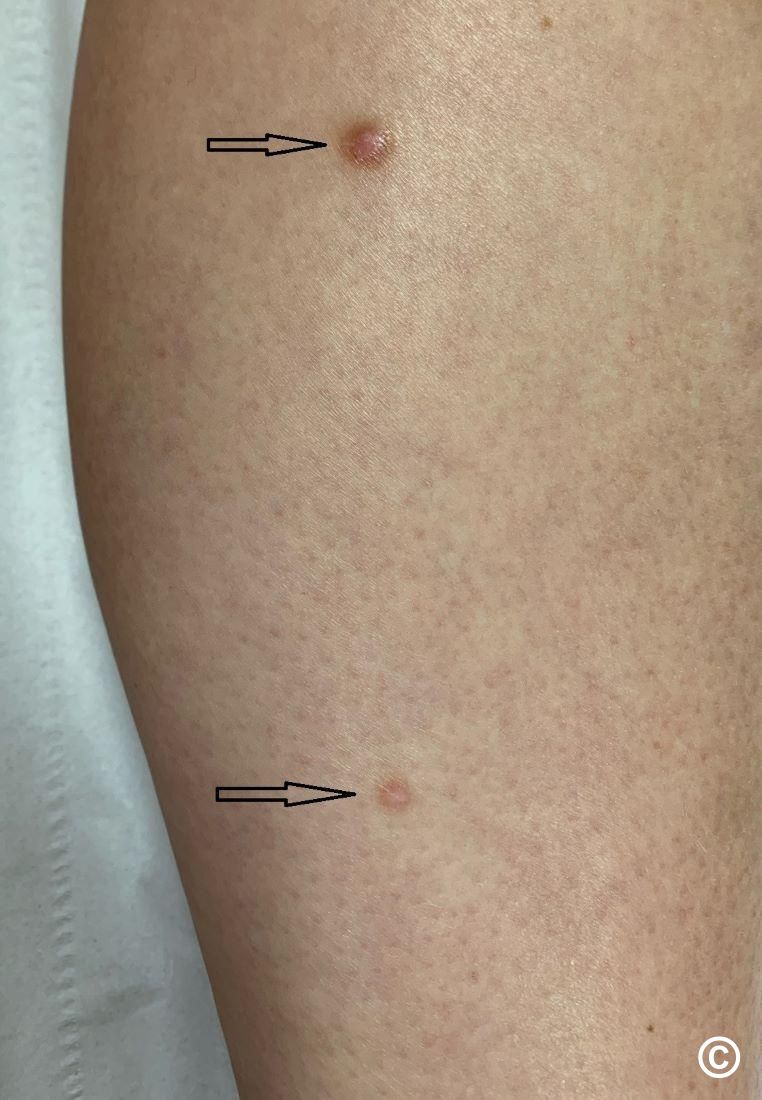
Balance in shape, colour and structure.Stable or gradually evolving.Absence ofspontaneous bleeding(bleeding or ulceration may be due to current injury).
Cancer malignancy is a kind of skin cancer that can be really unsafe if not discovered and treated early, as it has the possible to spread rapidly throughout the body. While melanoma is typically curable when caught in its beginning, it can end up being lethal if left neglected. Recognizing the indication and comprehending just how cancer malignancy vs a mole compares is key. As discussed previously, an atypical mole can become a precancerous mole, specifically melanoma. Nonetheless, study indicates that a lot of irregular moles stay stable with time. Generally, moles arise before the age of 20, and it's typical to have up to about 40 of these brown or black areas. A lot of moles are safe and seldom turn into cancerous sores. When they do, Fat Loss Treatments it's most likely that the mole first formed later in your grown-up life and looks various than other moles on your body.